
"whether it is worth it"
1000 article(s) found

Dominica Fine Coffee Bean Flavor and Taste the characteristics of the manor production area introduce Dominican coffee
In the early 18th century, coffee was introduced to Domiga from Martinique, and fine coffee was produced in the north represented by Hibao and in the south, including Okayabani Santo Domingo. Among them, the coffee produced by Santo Domingo and Barney, which is almost synonymous with domiga coffee, is a world-famous high-quality coffee. Santo Domingo coffee, which is characterized by freshness and elegance,
Boutique Santo Domingo Coffee Bean Manor Flavor and Taste introduction of Coffee Bean Origin and varieties
Coffee in Dominica is grown in highlands and lowlands, and its taste is slightly different. The upland is sour, but the taste is rich; the lowland is less sour and tastes smoother. Boutique coffee has become popular in recent years. High-quality coffee beans produced by some Dominican estates have a rich aroma, mellow taste and moderately bright sour taste, and have been bought with the more famous Puerto Rico beans or teeth.
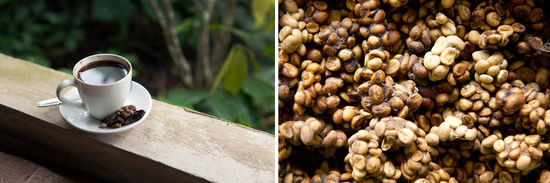
The "unexpected popularity" of cat poop coffee It's time for us to look at civet coffee correctly
Cat poop coffee, is this shit really worth that much? Tony Wild was the first person to bring cat poop coffee into the public eye, and now he's calling for us to boycott this luxury. Cat poop coffee, also known as Nuwak coffee, is arguably the most expensive coffee in the world. Photo by Shutterst
Santo Domingo Coffee introduction
Dominica Dominica: Santo Domingo coffee taste characteristics: fresh and elegant, full particles, excellent acidity, pleasant flavor. The Dominican Republic is located in the east of the island of Haiti in the West Indies, bordering the Republic of Haiti to the west, the Atlantic Ocean to the north and the Caribbean Sea to the south. With an area of about 49000 square kilometers and a population of 7.1 million, the Dominican Republic and the Republic of Haiti coexist in

Effect of Powder content on Coffee in Coffee production
1. The concentration determines the richness of the coffee. It is the soluble matter that determines the concentration. (it is worth mentioning that XLW007 in the common sense group mentioned that insoluble substances can also increase the thickness of caffeine. I totally agree, but this time I only focus on the main cause of soluble matter.) generally, the calculation can be measured by the concentration photorefractometer: TDS%= TDS/Coffee Weight.

Luckily, under the price of metaphysics, some people "order in the style of acting".
Luckin Coffee was able to make a successful turnaround and become the leader of China's coffee market, and every cup Luckin Coffee made a modest contribution to it. Luckin Coffee used to be the price of a glass of ice city lemonade. New users have a free drink, and the second one has a "fracture". It was revealed that financial fraud was successful after several turns.
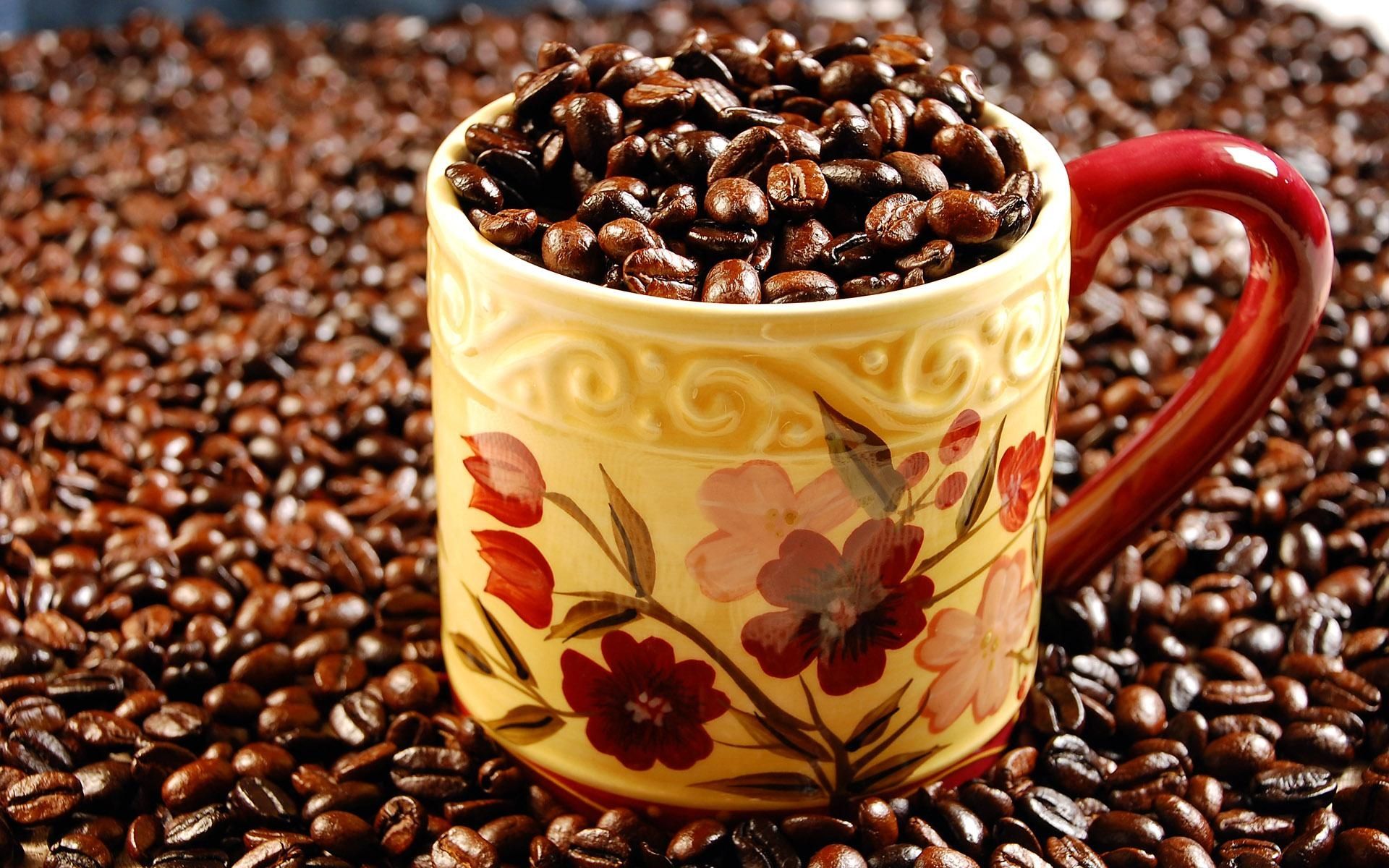
Dominica coffee history, Dominica coffee taste
Following Cajun Review (Wechat official account vdailycom) found that Fairview Cafe opened its own shop the turbid, humid climate and limestone-rich soil of the Constanza Valley in the Dominican Republic provide clues to the unique taste of this coffee. A variety of cocktails, sweet fruity and nut chocolate aromas, you will find a soft and crisp chocolate flavor, add a
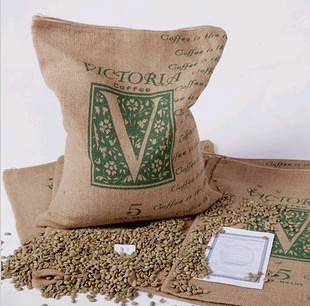
How to choose coffee beans Arabica how to save what is worth buying coffee beans course
Although coffee is made from coffee beans, the type of coffee beans here determines the noble status of coffee. So what are the kinds of coffee beans? What is the function of coffee beans? How do you cook coffee beans? How much is a jin of coffee beans? Which brand of coffee beans tastes good? I believe that these are not known to everyone, and there are probably only a few.

The Coffee Manor of Cliff Manor in Jamaica introduces the flavor and taste of fine coffee beans.
The limited area on the Blue Mountain is Blue Mountain Coffee, which is only about 1500 meters. There is a manor owner over 1500 meters who is originally from Fujian, but also does not produce Blue Mountain Coffee. In the limited area, only the prescribed sale is very rare unless you go to the place. Other altitudes are high mountain beans. A few people will have them, for example, 1900 meters and 1500 meters beans, but not 1900 meters from Blue Mountain. They can only hand in high mountain beans.

Description of main taste and flavor of Santo Domingo coffee
Following Cafe Review (official Wechat account vdailycom) found that Beautiful Cafe opened a small shop of its own Dominica: Santo Domingo Coffee flavor and taste characteristics: fresh and elegant, full-bodied, excellent acidity and pleasant flavor. The Dominican Republic is located in the east of the island of Haiti in the West Indies, bordering the Republic of Haiti to the west, the Atlantic Ocean to the north and the Caribbean Sea to the south. The area is about 490.
Bidding for raw coffee beans whether there is the best way to buy and sell raw coffee beans with gold content
For more information on coffee beans, please follow the coffee workshop (Wechat official account cafe_style). There is also a pipeline for selling raw coffee beans at open auction, which can attract buyers from all over the world. Bidding gives manufacturers the opportunity to promote their products, build connections through the supply chain, and consolidate the industry and allow buyers to trace products. Coffee makers in Latin America

Santo Domingo, Dominican Republic Coffee Processing Method Production Area Grinding Scale Introduction
Dominican coffee is grown in upland and lowlands and tastes slightly different. Highland plants are sour, but rich in taste; lowland plants are less sour and smoother in taste. In recent years, specialty coffee has become popular. Some Dominican estates produce high-quality coffee beans with rich aroma and rich taste, with a moderately bright acidity. They have been compared with the more famous Puerto Rico beans or teeth.

Dominica Coffee Flavor with excellent acidity introduces the characteristics of boutique coffee beans in the manor area
Coffee in Dominica is grown in highlands and lowlands, and its taste is slightly different. The upland is sour, but the taste is rich; the lowland is less sour and tastes smoother. Boutique coffee has become popular in recent years. High-quality coffee beans produced by some Dominican estates have a rich aroma, mellow taste and moderately bright sour taste, and have been bought with the more famous Puerto Rico beans or teeth.
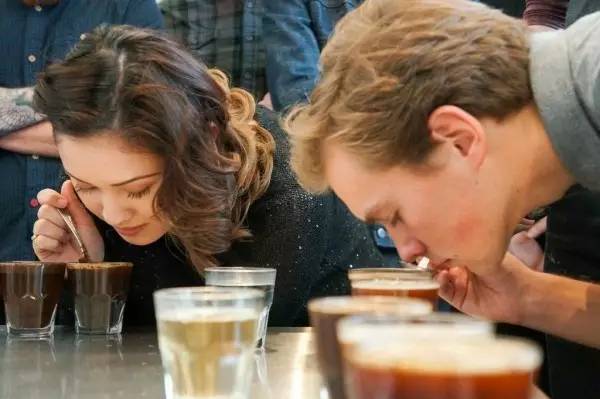
The most controversial cup test, Kopi Luwak and Rosa Coffee
Following Cafe Review (Wechat official account vdailycom) found that Beautiful Cafe opened a small shop of its own. The coffee roasting / retailer The Temple Coffee team from Sacramento in the central United States specially organized a cup test activity-Kopi luwak (civet coffee) VS. Rosa Coffee to test people's views on these two coffees, both of which are the most famous on the market.
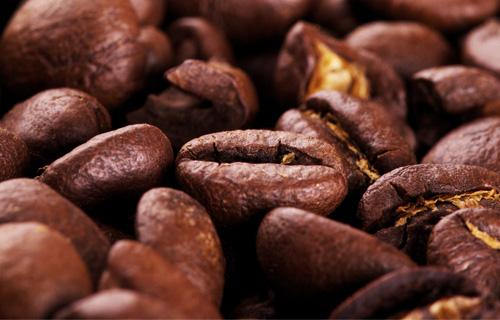
Dominica coffee flavor description, Dominica coffee taste
Following Caf é (official Wechat account vdailycom) found that Beautiful Cafe opened a small shop of Dominica Coffee beans (Caribbean). Dominican coffee is grown in highlands and lowlands, and its taste is slightly different. The upland is sour, but the taste is rich; the lowland is less sour and tastes smoother. In recent years, boutique coffee is very popular, and some Dominican manors

Introduction of the finest Dominican boutique coffee beans introduction of flavor and taste in Dominican coffee producing areas
Coffee in Dominica is grown in highlands and lowlands, and its taste is slightly different. The upland is sour, but the taste is rich; the lowland is less sour and tastes smoother. Boutique coffee has become popular in recent years. High-quality coffee beans produced by some Dominican estates have a rich aroma, mellow taste and moderately bright sour taste, and have been bought with the more famous Puerto Rico beans or teeth.
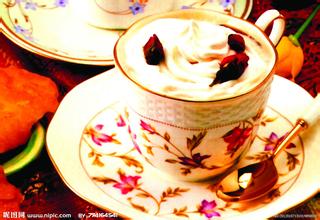
The rich taste of Dominican coffee the characteristics of the manor producing area introduce the Dominican boutique coffee
Coffee in Dominica is grown in highlands and lowlands, and its taste is slightly different. The upland is sour, but the taste is rich; the lowland is less sour and tastes smoother. Boutique coffee has become popular in recent years. High-quality coffee beans produced by some Dominican estates have a rich aroma, mellow taste and moderately bright sour taste, and have been bought with the more famous Puerto Rico beans or teeth.

The delicious flavor of Dominica coffee the introduction of fine coffee beans in the manor area.
Flavor and taste characteristics: fresh and elegant, full particles, excellent acidity, pleasant aroma. The Dominican Republic is located in the east of the island of Haiti in the West Indies, bordering the Republic of Haiti to the west, the Atlantic Ocean to the north and the Caribbean Sea to the south. With an area of about 49000 square kilometers and a population of 7.1 million, the Dominican Republic and the Republic of Haiti coexist on an island bordering Haiti. Like its neighbors.

Introduction to the delicious fragrant Dominican coffee grinding scale varieties and the taste of the manor
Flavor and taste characteristics: fresh and elegant, full particles, excellent acidity, pleasant aroma. The Dominican Republic is located in the east of the island of Haiti in the West Indies, bordering the Republic of Haiti to the west, the Atlantic Ocean to the north and the Caribbean Sea to the south. With an area of about 49000 square kilometers and a population of 7.1 million, the Dominican Republic and the Republic of Haiti coexist on an island bordering Haiti. Like its neighbors.

Fine Civet Coffee Price Death Wish Coffee Vietnam Civet Coffee Blue Mountain Coffee
Cat poop coffee is not worth that much shit! For the past 20 years, cat poop coffee has been the ultimate coffee, regarded by coffee sellers around the world as a money-making treasure due to its excellent taste and hard to come by, and even appeared in CNN News, Oprah and Hollywood movies. I first read about cats in 1981 in a National Geographic magazine.